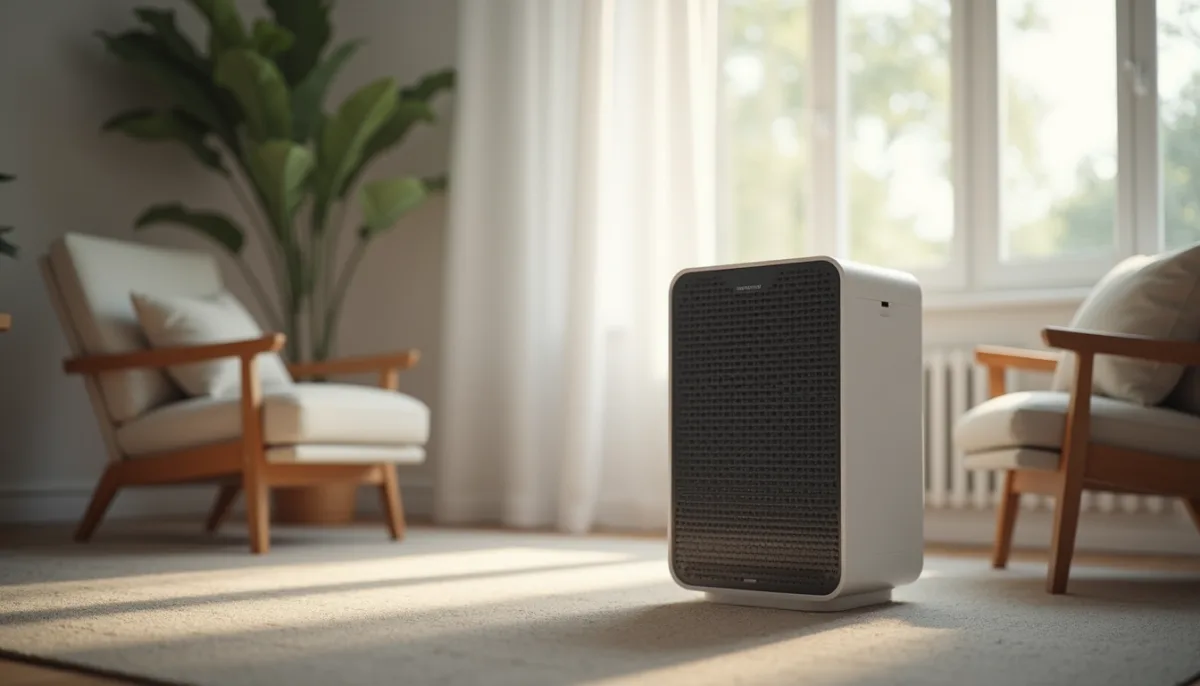
Indoor air quality is a critical aspect of our health and well-being, yet it often goes overlooked. With the rise of urban living and increased time spent indoors, the air we breathe can be filled with pollutants and allergens. This post explores how advanced purifiers can significantly improve indoor air quality, making your home a healthier place to live.
Understanding Indoor Air Quality
Indoor air quality refers to the condition of the air within buildings and structures. It is influenced by various factors, including:
- Pollutants: Dust, pet dander, mold spores, and volatile organic compounds (VOCs) can accumulate indoors.
- Humidity levels: High humidity can promote mold growth, while low humidity can lead to dry skin and respiratory issues.
- Ventilation: Poor ventilation can trap pollutants, making it essential to ensure proper airflow.
The Importance of Good Indoor Air Quality
Good indoor air quality is vital for several reasons:
- Health benefits: Poor air quality can lead to respiratory problems, allergies, and other health issues. By improving air quality, you can reduce the risk of these conditions.
- Comfort: Clean air contributes to a more comfortable living environment. It can enhance your mood and overall well-being.
- Productivity: Studies have shown that better air quality can improve concentration and productivity, making it essential for home offices and study areas.
How Advanced Purifiers Work
Advanced air purifiers use various technologies to remove pollutants from the air. Here are some common types:
HEPA Filters
High-Efficiency Particulate Air (HEPA) filters are designed to trap particles as small as 0.3 microns. They are highly effective at removing allergens, dust, and pet dander from the air.
Activated Carbon Filters
These filters absorb odors and harmful gases, such as VOCs. They work by trapping molecules in the porous structure of the carbon, making them an excellent choice for eliminating unpleasant smells.
UV-C Light Technology
Some purifiers use UV-C light to kill bacteria and viruses in the air. This technology is particularly useful for reducing the spread of airborne illnesses.
Ionizers
Ionizers release negatively charged ions into the air, which attach to positively charged particles, causing them to clump together and fall to the ground. This can help reduce airborne dust and allergens.
Choosing the Right Air Purifier
When selecting an air purifier, consider the following factors:
Room Size
Choose a purifier that is appropriate for the size of the room. Most manufacturers provide a recommended square footage for their products.
Filter Type
Select a purifier with the right filter type for your needs. If you have allergies, a HEPA filter is essential. For odors, consider a model with activated carbon.
Noise Level
Some purifiers can be noisy, which may be disruptive, especially at night. Look for models with a low decibel rating or a "quiet" mode.
Maintenance Requirements
Check how often filters need to be replaced and the cost associated with maintenance. Some models have washable filters, which can save money in the long run.
Benefits of Using Advanced Purifiers
Investing in an advanced air purifier can yield numerous benefits:
Improved Health
By removing allergens and pollutants, air purifiers can help alleviate symptoms of asthma, allergies, and other respiratory conditions.
Enhanced Comfort
Cleaner air can lead to a more comfortable living environment, reducing irritation and discomfort caused by poor air quality.
Odor Elimination
Advanced purifiers equipped with activated carbon filters can effectively eliminate odors from cooking, pets, and smoke, leaving your home smelling fresh.
Peace of Mind
Knowing that you are taking steps to improve your indoor air quality can provide peace of mind, especially for families with young children or elderly members.
Practical Tips for Maintaining Indoor Air Quality
In addition to using an air purifier, consider these practical tips to maintain good indoor air quality:
Regular Cleaning
Dust and vacuum your home regularly to reduce the accumulation of allergens. Use a vacuum with a HEPA filter for best results.
Control Humidity
Keep humidity levels between 30-50% to prevent mold growth. Use dehumidifiers in damp areas and ensure proper ventilation in bathrooms and kitchens.
Ventilation
Open windows when weather permits to allow fresh air to circulate. Use exhaust fans in kitchens and bathrooms to remove moisture and odors.
Avoid Indoor Pollutants
Limit the use of candles, incense, and air fresheners, as they can release harmful chemicals into the air. Opt for natural alternatives when possible.
Conclusion
Improving indoor air quality is essential for a healthier and more comfortable living environment. Advanced purifiers play a crucial role in this process by removing harmful pollutants and allergens from the air. By choosing the right purifier and implementing practical maintenance tips, you can create a safer space for you and your family. Take the first step towards better air quality today by investing in an advanced air purifier and adopting healthy indoor practices.